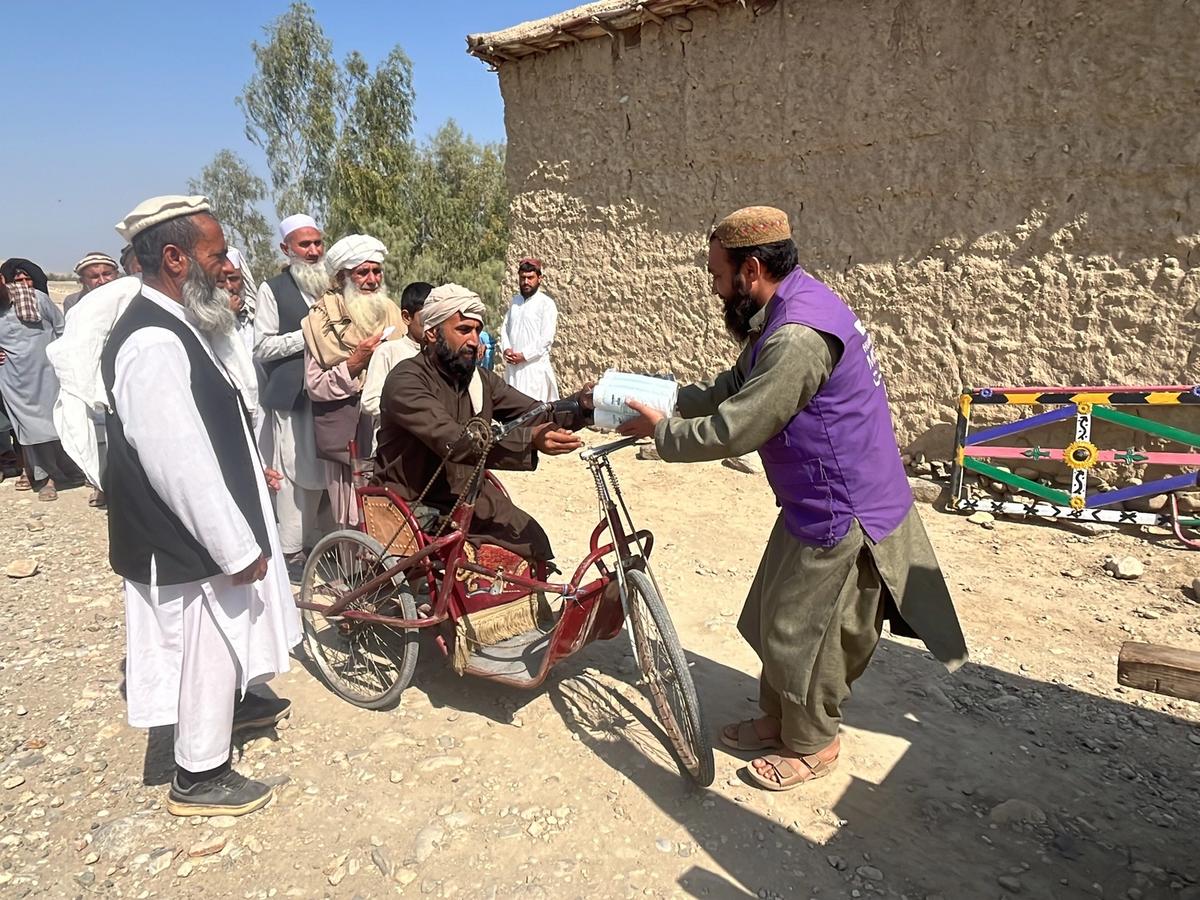
Hygiene Kits
Preventing disease, restoring dignity and improving wellbeing through essential hygiene support by providing vulnerable families with basic items that protect health, preserve dignity and improve mental wellbeing
£10
Hygiene KitsProviding immediate emergency medical care and lifesaving transport when every second matters. Human Relief Mission’s Ambulance Service delivers rapid medical response across Afghanistan, reaching vulnerable communities where access to healthcare is limited or non existent. Each ambulance is fully equipped and staffed to stabilise patients on site and transport them safely to hospitals, saving lives during conflict, disasters and medical emergencies. Human Relief Mission operates emergency ambulances to provide immediate care, rapid response and safe hospital transport, bringing critical medical support directly to those in need.
Each kit equips individuals with the essentials needed to maintain cleanliness and reduce the risk of preventable illness.
In many developing countries, hygiene poverty is a daily reality. Families living in overcrowded camps, informal settlements or conflict affected areas often lack access to basic hygiene products, but due to poverty, displacement and lack of resources.
Every Hygiene Kit contains:
- Body soap
- Laundry soap or washing powder
- Dishwashing liquid
- Toothbrush and toothpaste
- Women’s sanitary pads
Donate Now
Provide 10 Hygiene Kits
Select intention
Key Benefits:
- •Urgent care: Hygiene Kits are distributed to vulnerable families, displaced people and disaster survivors
- •Fundamental Need: Hygiene is a basic right where someone would have the ability to wash and care for themselves and live with dignity
- •Living with dignity: Cleanliness is not just about health, it is about confidence, safety and human dignity.
How your donation helps the beneficiaries:
- • Preserves physical health
- • Protects vulnerable families from illness
- • Helps mothers care for their children
- • Restores a sense of normalcy after trauma, especially when a natural disaster strikes
- • Reduce the spread of preventable diseases
- • Support women and girls to manage menstruation safely
- • Improve mental wellbeing and self respect
- • Protect children from infection and illness
- • Restore dignity in times of hardship
End Goal:
Cleanliness is not just about health, it is about confidence, safety and human dignity. Providing a hygiene kit means immediate relief long lasting dignity.
Summary
When forced to prioritise food and shelter, hygiene becomes an unaffordable luxury. This lack of cleanliness significantly increases the risk of infections, disease outbreaks and long term health complications, particularly among children and women.
Each kit equips individuals with the essentials needed to maintain cleanliness and reduce the risk of preventable illness.
In many developing countries, hygiene poverty is a daily reality. Families living in overcrowded camps, informal settlements or conflict affected areas often lack access to basic hygiene products, but due to poverty, displacement and lack of resources.
Every Hygiene Kit contains:
- Body soap
- Laundry soap or washing powder
- Dishwashing liquid
- Toothbrush and toothpaste
- Women’s sanitary pads
Key Features:
- •Urgent care: Hygiene Kits are distributed to vulnerable families, displaced people and disaster survivors
- •Fundamental Need: Hygiene is a basic right where someone would have the ability to wash and care for themselves and live with dignity
- •Living with dignity: Cleanliness is not just about health, it is about confidence, safety and human dignity.
When forced to prioritise food and shelter, hygiene becomes an unaffordable luxury. This lack of cleanliness significantly increases the risk of infections, disease outbreaks and long term health complications, particularly among children and women.